The allure of the British royal family extends far beyond their history, titles, and public service. For decades, the world has remained captivated by their sartorial choices. From the iconic, understated elegance of the late Queen Elizabeth II to the modern, polished aesthetic of Catherine, Princess of Wales, royal fashion serves as a masterclass in the art of dressing for longevity. While most of us do not attend high-stakes diplomatic galas or state dinners, the principles of royal style—balance, tailoring, and tradition—are incredibly powerful tools for anyone looking to refine their personal wardrobe.
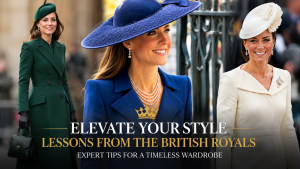
Achieving a timeless look does not require a royal budget or a collection of tiaras. Instead, it requires a shift in mindset: moving away from the fleeting nature of fast-fashion trends and toward a curated approach that prioritizes quality and silhouette. By analyzing the habits of the most fashionable members of the monarchy, we can derive practical lessons to elevate our own daily attire.
The Foundation of Royal Elegance: Mastering the Silhouette
One of the most distinct markers of royal style is the commitment to a consistent, well-fitted silhouette. Whether it is a structured wool coat, an A-line skirt, or a perfectly tailored blazer, royal women rarely opt for oversized or overly experimental shapes. They understand that their clothing must communicate authority and grace, which is why tailoring is the most important element of their wardrobe strategy.
For the average person, the lesson here is simple: find a tailor. You do not need to purchase expensive designer pieces to achieve a high-end look. A simple dress or pair of trousers purchased from a high-street retailer can look significantly more sophisticated if it is adjusted to fit your specific proportions. A cinched waist, a hemline that falls at the correct point, and sleeves that do not bunch are the subtle details that separate a chaotic outfit from a polished, timeless one.
Balancing Tradition with Contemporary Touches
A common misconception is that royal style is synonymous with being “stuffy.” In reality, the most successful royal fashion icons, such as the late Princess Diana or the Princess of Wales, excel at balancing traditional expectations with modern sensibilities. This is the art of the “fresh classic.”
Consider how the Princess of Wales incorporates contemporary trends—such as the resurgence of polka dots or specific color palettes—without losing the classic silhouette of a tea dress. She honors the traditional dress code expected of her position but ensures the color, fabric, and accessories feel relevant to the current decade. To apply this to your own life, try anchoring your outfit with a classic base—like a crisp white shirt or a neutral trench coat—and then inject personality through modern accessories or a seasonal accent color. This allows you to remain stylish without appearing dated.
The Strategy of Repeating and Reimagining
One of the most refreshing aspects of modern royal fashion, particularly as seen with the Princess of Wales and the Duchess of Sussex, is the willingness to re-wear clothing. In an era of disposable fashion, where wearing an outfit twice is often considered a social media faux pas, the royals have reclaimed the idea that a truly beautiful garment deserves to be worn repeatedly.
Elevating your personal style means investing in “forever pieces.” When you shop, ask yourself: Can I wear this in five years? Can I style this in three different ways? By choosing high-quality materials—such as wool, silk, and cotton—you ensure that your clothing can withstand the test of time. When you find a cut that works for your body, don’t be afraid to own it in multiple colors or textures. This creates a cohesive, “uniform” approach to dressing that reduces decision fatigue and elevates your daily appearance.
Lessons from the Icons
Looking at the history of royal style, we can see two distinct approaches: the eccentric and the understated. Princess Beatrice and Princess Eugenie have often flirted with bolder, more experimental fashion, including flamboyant headpieces and vibrant patterns. While this approach keeps their style interesting and “spicy,” it is often less timeless than the approach taken by Catherine or Meghan Markle.
Meghan Markle, in particular, represents a shift toward a modern, minimalist royal aesthetic. Her reliance on monochromatic palettes, fluid fabrics, and clean lines creates an image of effortless elegance. For those looking to build a timeless wardrobe, the “Meghan approach” is perhaps the most practical: stick to a neutral color palette. Navy, camel, black, cream, and white are the building blocks of a wardrobe that will never look out of place. When you limit your color palette, your clothes become more interchangeable, allowing you to mix and match items with ease.
The Importance of Being Appropriately Dressed
Perhaps the most underrated tip for timeless style is context. Royals are trained to dress for the occasion, not just for their own vanity. Their style remains iconic because it shows respect for the setting. When you choose an outfit, consider where you are going and what the day demands. A timeless wardrobe is not just about what looks good; it is about what functions well for your life. If you are comfortable and dressed appropriately for your environment, your confidence will naturally elevate your style.
Investing in Accessories that Stand Alone
While the clothing provides the structure, the accessories provide the character. Royals often use hats, belts, and jewelry to define their style. Even a simple, modest outfit can be transformed by a statement belt or a high-quality pair of shoes. When you are looking to elevate your style on a budget, prioritize your accessories. A pair of well-maintained leather boots or a classic handbag will often do more for your overall aesthetic than the most expensive trendy dress of the season.
How to Curate a Timeless Closet
To begin your journey toward a royal-inspired wardrobe, start by auditing what you already own. Remove items that no longer fit, are poorly made, or feel like they were purchased simply because they were on trend. Focus on replacing those items with better quality versions over time. Remember, a curated wardrobe is not built in a day. It is a slow, intentional process of finding the pieces that make you feel like the most polished version of yourself.
By observing how these public figures navigate the pressures of tradition versus the desire for individuality, we can learn to embrace our own personal style. Timelessness is not about standing still; it is about choosing elements that carry grace, intelligence, and comfort into every decade of our lives.
Frequently Asked Questions (FAQs)
What is the most important element of a timeless wardrobe?
The most important element is fit. Regardless of the brand or price, a garment that is perfectly tailored to your body will always look more sophisticated and timeless than an expensive piece that fits poorly.
How can I make my style look more “royal” without spending a lot of money?
Focus on minimalism and maintenance. Keep your clothes clean, pressed, and well-tailored. Stick to a neutral color palette, which creates a more cohesive and expensive look, and ensure your accessories—like shoes and bags—are always in good condition.
Is it okay to follow trends if I want a timeless style?
Yes, but do so in moderation. Use trends for accessories or small, inexpensive pieces, while keeping your main investment pieces (coats, blazers, trousers) classic and neutral. This allows you to stay current without compromising the long-term utility of your wardrobe.
How do I know if a piece of clothing will stand the test of time?
Ask yourself if the design is simple and functional. Avoid items with excessive hardware, loud logos, or hyper-specific silhouettes that are clearly linked to a single season. If you can imagine wearing the item in five or ten years, it is likely a timeless investment.
Why is a neutral color palette recommended for a timeless wardrobe?
Neutral colors (black, navy, white, beige, grey) are highly versatile and easy to mix and match. They provide a sophisticated foundation that allows you to experiment with textures or subtle patterns without creating a cluttered or outdated visual experience.