
In the modern era of digital transparency, where every milestone, date night, and minor disagreement is often broadcasted across social media, the concept of privacy has become a rare luxury. We have become accustomed to grand gestures and public declarations of love as the primary benchmarks for a healthy relationship. Yet, if we look back at one of the most scrutinized, high-pressure marriages in history—that of Queen Elizabeth II and Prince Philip—we find a different, more durable blueprint for lifelong intimacy. Their relationship, spanning 73 years, was built not on performative affection, but on a hidden language of secret nicknames and private humor that served as a buffer against the crushing weight of public duty.
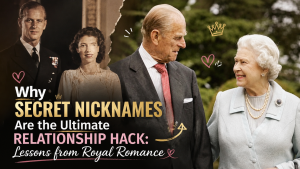
The “Cabbage” and the Crown were not just a cute anecdote from royal biographies; they represent a fundamental psychological truth about partnership. By exploring how this iconic couple used private rituals to sustain their bond, we can learn how to cultivate deeper, more resilient connections in our own lives, far away from the spotlight of public opinion.
The Power of Private Language in a Public World
When Prince Philip famously referred to the Queen as “Cabbage,” the public was bewildered. It seemed incongruous with the regal, stoic figure of the Sovereign. However, this nickname was a masterclass in boundary-setting. In a world where the Queen was surrounded by advisors, politicians, and subjects, the name “Cabbage” acted as a psychological portal. When those words were spoken, the formal structure of the monarchy dissolved.
For any couple, having a “secret language”—whether it is a private nickname, an inside joke, or a coded way of communicating affection—is a powerful tool for intimacy. It creates an exclusive, impenetrable bubble. In a long-term relationship, the stressors of work, parenting, and societal expectations can make partners feel like they are merely roommates managing a household. A private language reclaims the romance. It reminds both partners that they belong to a team of two, regardless of what the rest of the world demands of them. When you share something that no one else understands or is privy to, you strengthen your psychological attachment to one another.
Building Resilience Through Shared Humor
While the world often fixated on the “stiff upper lip” of the mid-20th century, the reality behind palace doors was defined by a persistent, mischievous sense of humor. Prince Philip was known for his “twinkle”—a sign of his ability to find absurdity in even the most rigid situations. The Queen, often perceived as a figure of cold duty, reportedly relied on this humor to navigate the darkest days of her reign.
The lesson here is simple: humor is the ultimate shock absorber. Many couples fall into the trap of taking life—and each other—too seriously. When challenges arise, they default to frustration or silence. By contrast, those who prioritize humor find that it diffuses tension before it becomes resentment. It is not about laughing at your partner; it is about laughing together at the ridiculousness of life. Whether it is an inside joke about a stressful workday or a shared hobby that makes you both act like teenagers again, cultivating joy is an essential survival skill for long-term commitment.
Redefining Love Beyond Public Performance
The absence of public displays of affection (PDA) between the Queen and Prince Philip is often misread by modern observers as a lack of love. We live in an era that equates visibility with validity. If a partner doesn’t post a photo of you, or if you don’t express your love in grand, public ways, it is sometimes assumed that the passion is gone.
However, the Royal experience teaches us that the deepest love is often quiet. Prince Philip understood that his role was to stand behind the Queen, to support her dignity by stepping back rather than trying to be the center of attention. This was his love language: service and steadfastness. Love is not merely a feeling; it is a series of consistent actions. It is showing up when things are difficult, providing a stable presence, and honoring your partner’s individual purpose. By moving away from the need for external validation, couples can focus on the internal work of being a “strength and stay” for one another.
The Role of Personal Space in a Healthy Bond
Another hallmark of the royal couple’s relationship was their ability to maintain individual identities. The Queen had her life as the Sovereign, and Prince Philip had his interests in aviation, carriage driving, and charity work. They were two separate, strong individuals who chose to walk through life side by side, rather than merging into a singular, codependent unit.
Many relationships suffer because one or both partners lose their sense of self. When you rely on your partner to be your sole source of happiness, identity, and entertainment, you place an unfair burden on them. The most successful relationships are composed of two whole people who support each other’s growth. Taking time for individual passions, maintaining separate friendships, and respecting each other’s need for space actually increases the desire and appreciation you feel for one another. It ensures that when you do come together, you have something new and interesting to share, rather than just the mundane details of daily survival.
Cultivating Stability in a Changing World
As we navigate the complexities of modern dating and marriage, the “Cabbage” and the Crown remind us that stability is a choice. Relationships are not static; they change as we age, as our careers evolve, and as our personal circumstances shift. The secret to 73 years of marriage is not the absence of problems, but the presence of a commitment that is deeper than the fluctuating emotions of the day.
By adopting some of these “royal hacks”—creating private rituals, prioritizing humor, valuing quiet consistency over public grandstanding, and honoring individual growth—we can build relationships that are not just trendy, but enduring. Love is not about the crown you wear or the accolades you receive from others. It is about the person you can be completely yourself with, even if that means being a little bit silly behind closed doors.
Frequently Asked Questions (FAQs)
1. Why are private nicknames considered beneficial for couples? Private nicknames foster a sense of exclusivity and intimacy. They help decouple partners from their public or professional personas, creating a “safe space” where they can be their authentic selves. This reinforces the bond between two people by reminding them that they are a team, separate from the rest of the world.
2. How can I use humor to improve my relationship? Humor serves as a powerful de-escalation tool during conflicts. By finding ways to laugh at life’s absurdities together, couples can prevent minor tensions from turning into major arguments. Shared laughter also releases bonding hormones, which can help strengthen the connection between partners over the long term.
3. Is it better to keep my relationship private or share it publicly? There is no “right” answer for everyone, but the royal example suggests that keeping the core of your relationship private can actually protect it. Excessive focus on external validation can sometimes distract from the internal work of nurturing the bond. Prioritizing private intimacy helps ground the relationship when public life becomes overwhelming.
4. How do I maintain my own identity while in a long-term partnership? Maintaining your own identity requires intentional effort. Continue to invest time in your personal hobbies, career goals, and friendships. A healthy relationship should feel like a partnership between two autonomous, successful individuals rather than two halves trying to make a whole.
5. What is the most important lesson from the marriage of Queen Elizabeth II and Prince Philip? The most crucial lesson is that consistency and quiet support are the true foundations of love. Grand public gestures are nice, but the ability to show up every day, support your partner’s growth, and maintain a private world of mutual respect and humor is what truly sustains a long-term marriage.