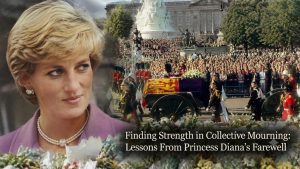
The events of August 31, 1997, remain etched in the collective consciousness of the world. The tragic death of Diana, Princess of Wales, in a Parisian tunnel sent shockwaves across the globe, triggering a level of public grief that had never been seen before in the modern era. While her passing was a profound individual loss, the subsequent days—culminating in the funeral service at Westminster Abbey on September 6, 1997—offered the world a powerful masterclass in how society navigates collective trauma. By examining how diverse public figures and millions of ordinary citizens united to process this loss, we can extract enduring lessons about empathy, the power of community, and the importance of compassionate living.
The Power of Shared Vulnerability
When the news of Princess Diana’s death broke, the response was immediate and visceral. Outside Kensington Palace, a sea of flowers, candles, and handwritten letters transformed the urban landscape into a sanctuary of shared sorrow. This display was not merely an act of mourning for a public figure; it was a reflection of the deep, personal connection people felt toward a woman who had often championed the marginalized and the vulnerable.
The funeral itself, attended by approximately 2,000 guests and watched by an estimated two billion people, bridged the gap between the private pain of a family and the public grief of a nation. The presence of iconic figures—from stars of the silver screen to titans of the fashion industry—alongside humanitarian workers, demonstrated that grief is a universal language. It teaches us that when we allow ourselves to be vulnerable in the face of loss, we create space for others to do the same, fostering a sense of solidarity that can help heal even the most profound wounds.
Lessons from the Mourners
Among the many notable figures who attended the service, their reflections and actions provide insight into how we might better honor those we have lost.
Sir Elton John’s performance of a rewritten “Candle in the Wind” remains one of the most poignant examples of using art to process grief. By transforming his pain into a tribute, he gave voice to the sorrow of millions. For those navigating their own journeys of self-improvement, the lesson is clear: creative expression and the pursuit of beauty can be essential tools in transmuting despair into a meaningful legacy.
Similarly, the emotional outpouring from figures like George Michael, who confessed to feeling as though he were reliving the loss of his own mother, serves as a reminder of the ripple effect of grief. It highlights the importance of empathy—recognizing that the grief we see in others is often an echo of our own experiences. By acknowledging this, we can foster deeper connections with those around us, moving toward a society built on mutual understanding.
Celebrity Presence and Humanitarian Values
The guest list at Westminster Abbey was a testament to Diana’s multifaceted life. The attendance of individuals like Sir Richard Branson, Anna Wintour, and Luciano Pavarotti showcased the intersection of royalty, high culture, and humanitarianism. Many of these relationships were built on mutual respect and shared values.
For instance, the bond between Princess Diana and Imran Khan, centered around her humanitarian work in Pakistan, highlights the importance of living a life focused on altruism. Her ability to connect with people from all walks of life—whether she was playing tennis with Richard Branson or serenaded by Pavarotti in the rain—remains a blueprint for modern self-improvement. It challenges us to look beyond our immediate circles, to be curious about the world, and to recognize that our greatest legacy lies in how we treat those who have the least.
Navigating Grief with Grace
Tony Blair, who was the British Prime Minister at the time, described the nation as being in a state of shock and grief that was “deeply painful.” His leadership during that period emphasized the necessity of acknowledging national trauma. For individuals looking to apply these lessons to their own lives, the takeaway is the importance of validation. Whether in personal relationships or professional environments, acknowledging the weight of a difficult situation is the first step toward moving forward.
The presence of figures like Tom Hanks, Steven Spielberg, and Tom Cruise further underscored the global reach of the Princess’s influence. Their attendance, often as acquaintances rather than inner-circle confidants, reflected a societal recognition that the loss of a compassionate figure affects the entire community. It teaches us that showing up for others—even when the connection is not intimate—is a profound act of grace that strengthens the social fabric.
Legacy and Personal Growth
As we look back at the funeral of Princess Diana, we are reminded that death is not only an end but a catalyst for reflection. The compassion, duty, style, and beauty that Charles Spencer described in his eulogy are traits that we can all strive to integrate into our daily routines.
Self-improvement is not merely about personal gain; it is about how we influence the world around us. By prioritizing compassion, maintaining our integrity in the face of struggle, and remaining open to the humanity in others, we can honor the legacy of those who have paved the way. The mourning that occurred in September 1997 was not just about saying goodbye; it was a collective vow to uphold the values of kindness and humanitarian service that Diana championed.
In today’s fast-paced, often disconnected world, the lesson of that historic service is more relevant than ever. We must strive to be present for one another, to find strength in our shared experiences, and to remember that even in the darkest of times, there is hope to be found in unity and communal support.
Frequently Asked Questions (FAQs)
How did the world process the grief of Princess Diana’s death? The world processed this grief through collective action, such as leaving public tributes at Kensington Palace, participating in nationwide moments of silence, and coming together to watch the televised funeral service, which served as a global shared experience.
What role did music play in the funeral service? Music was central to the service, with Sir Elton John’s performance of “Candle in the Wind” serving as a defining moment of emotional catharsis for those in attendance and the millions watching at home, effectively bridging the gap between personal sorrow and public mourning.
Why did so many celebrities attend the funeral? Many celebrities attended because they had formed genuine friendships or working relationships with the Princess through her humanitarian efforts, fashion initiatives, or her public life, and they wanted to pay their respects to her lasting impact on society.
What lessons can we learn from the funeral for our own lives? The funeral teaches us the power of empathy, the importance of living a life dedicated to humanitarian values, and the necessity of acknowledging grief rather than suppressing it, which can help individuals and communities move forward after trauma.
How does Princess Diana’s legacy continue to influence society today? Her legacy continues through the ongoing charity work of her sons, Prince William and Prince Harry, and through her lasting influence on the importance of compassion, mental health awareness, and breaking down barriers between public figures and the general public.